March 31, 2026
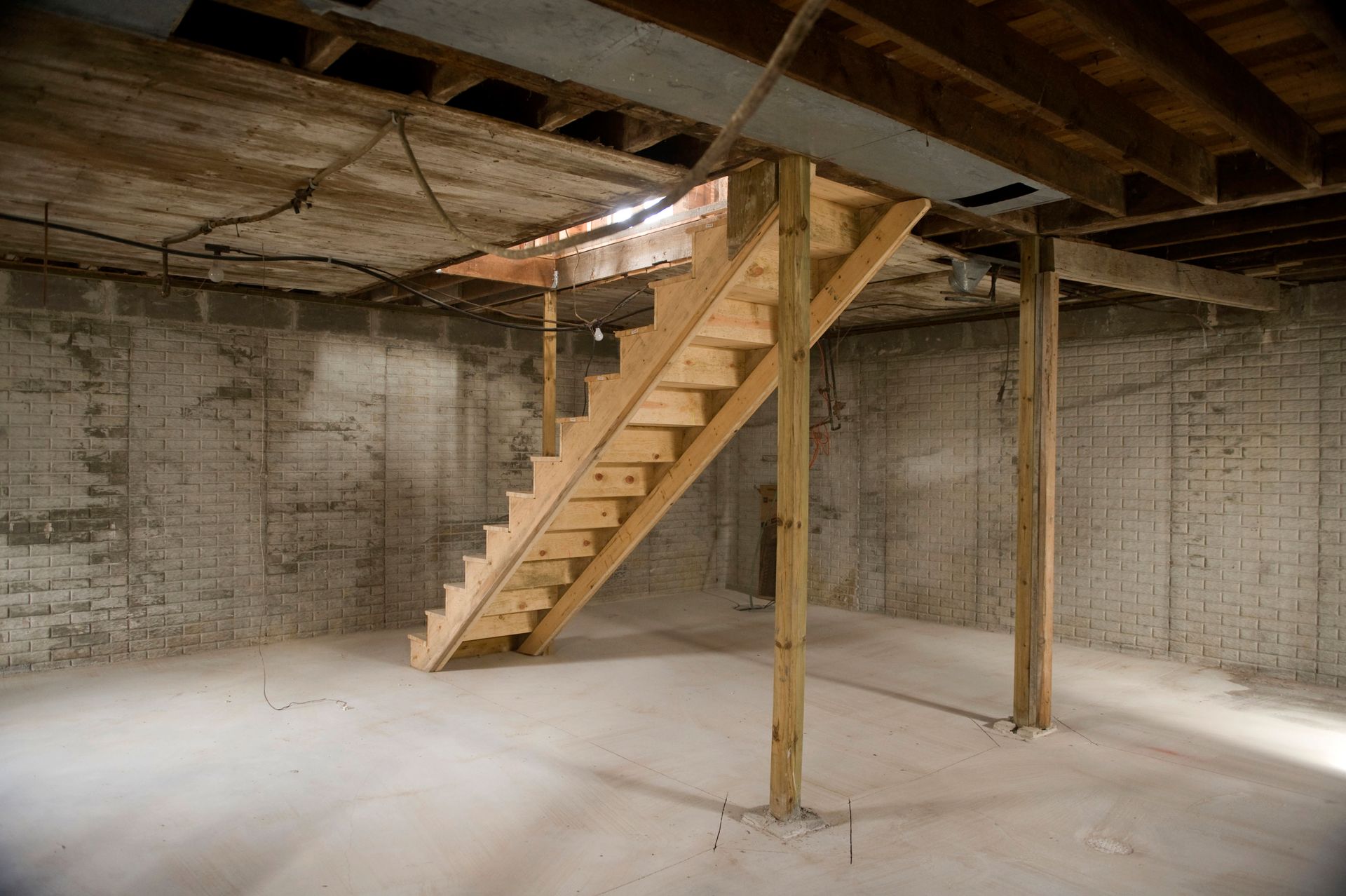
Embarking on a journey to finish or remodel your lower level is an exciting chapter in homeownership. A basement represents a blank canvas where you can manifest a new home theater, a secluded guest suite, or a functional home office. However, the success of this transformation hinges almost entirely on the professional you choose to lead the project. Finding a reliable basement contractor is the most critical step in ensuring that your vision is executed with precision, safety, and aesthetic excellence. This process requires patience and a systematic approach to vetting professionals who understand the unique structural demands of subterranean construction.
The search for the perfect partner involves more than just looking at a price tag. It requires an alignment of communication styles, a shared understanding of the project scope, and a verification of technical expertise. Because basements involve specific challenges like moisture control, specialized insulation, and building code compliance for egress windows, you cannot simply hire a generalist without deep experience in this niche. By taking the time to research, interview, and compare options, you protect your investment and ensure that the final result adds genuine value to your property and your daily life.
Defining Your Vision and Project Scope
Before you begin reaching out to any contractor, you must have a firm grasp of what you want to achieve. A vague idea of "finishing the basement" is often not enough to get an accurate estimate or to find a specialist who excels in your specific needs. Start by listing the primary functions of the space. Are you looking for a high-end entertainment hub with a wet bar, or a simple, carpeted play area for children? The complexity of your design will dictate the level of craftsmanship and the specific trades required during the construction phase.
Documenting your requirements helps in creating a level playing field when you eventually ask for bids. When every professional is looking at the same set of expectations, you can more easily compare their approaches and pricing structures. Consider details like ceiling height, lighting preferences, and whether you need a bathroom added. Having these details ready allows a contractor to provide a more realistic timeline and budget, reducing the likelihood of significant change orders once the work has actually commenced.
Researching Local Experience and Reputation
Once your goals are set, the next phase is identifying potential candidates in your area. Local experience is invaluable because a seasoned basement contractor will be familiar with the specific soil conditions and municipal building codes in your region. Start by asking friends or neighbors for referrals, as firsthand accounts of a professional’s work ethic and reliability are often more telling than any advertisement. Online reviews and gallery portfolios also provide a window into the quality of work you can expect, allowing you to see if their aesthetic style matches your own.
While browsing portfolios, look for projects that mirror the scale of your own home. According to House Grail, the average basement size in the US ranges from 500 to 1,500 square feet. This statistic highlights the versatility of these spaces and the importance of hiring someone who knows how to optimize layouts within those specific dimensions. A contractor who has successfully managed projects of varying sizes will likely have the problem-solving skills necessary to handle any surprises that may be hidden behind your existing basement walls.
Verifying Licenses, Insurance, and Credentials
Professionalism in the construction industry is often signaled by a commitment to legal and safety standards. Any basement contractor you consider should be fully licensed to operate in your jurisdiction. Licensing ensures that the individual or company has met the minimum competency requirements set by the state or local government. Furthermore, it provides a layer of accountability should anything go wrong during the project. Never hesitate to ask for a license number so you can verify its status through the appropriate online database.
Insurance is equally vital for your protection. You must confirm that the professional carries both general liability insurance and workers' compensation. Liability insurance protects your home from damage caused during construction, while workers' compensation ensures that you are not held liable if a crew member is injured on your property. A reputable basement contractor will be happy to provide certificates of insurance upon request. If a person is hesitant to show these documents, it is a significant red flag that should lead you to look elsewhere for your renovation needs.
Conducting Thorough Interviews and Site Visits
After narrowing down your list to a few qualified candidates, schedule face-to-face interviews. This is your opportunity to gauge their communication skills and professionalism. Ask about their current workload and how many projects they manage simultaneously. You want a basement contractor who can give your home the attention it deserves rather than one who is spread too thin across dozens of sites. Inquire about who will be the daily point of contact and how they handle unexpected delays or material shortages.
If possible, ask for references from recent clients and take the time to call them. Ask the former clients if the project stayed on budget and if the crew maintained a clean and respectful job site. Some professionals may even allow you to visit a project currently in progress. Seeing a "live" job site allows you to observe the organization and safety protocols in place. A clean, well-managed site is often a reflection of the final quality of the work, indicating that the basement contractor takes pride in every stage of the building process.
Comparing Detailed Proposals and Contracts
When you receive bids, resist the urge to automatically choose the lowest number. A significantly lower price might indicate that the professional is using inferior materials or has not accounted for necessary permits and inspections. A comprehensive proposal from a basement contractor should include a detailed breakdown of costs for labor, materials, and specialized trades like electrical or plumbing. It should also outline a clear payment schedule tied to specific milestones, such as the completion of framing or the passing of a rough-in inspection.
The contract is the most important document in your relationship with the builder. It should clearly state the start date, the estimated completion date, and the process for handling change orders. Ensure that the warranty information for both labor and materials is explicitly defined in writing. A professional basement contractor will encourage you to read the contract thoroughly and answer any questions you have before signing. This transparency builds the trust necessary for a successful long-term working relationship throughout the duration of the remodel.
Establishing Communication and Oversight
Once the work begins, maintaining an open line of communication is essential for a smooth experience. Set expectations early regarding how often you will meet for progress updates. While you should trust the expertise of your contractor, being an active participant in the process allows you to catch potential misunderstandings before they become costly mistakes. Regular walkthroughs help you stay informed about the timeline and allow you to see the progress of the mechanical and structural elements before they are covered by drywall.
When you are ready to take the next step in your home improvement journey, trust the experts at JFI Builders to bring your vision to life. Our team is dedicated to providing superior craftsmanship and personalized service for every homeowner we serve. Whether you are looking for a simple upgrade or a complete structural overhaul, we have the experience and passion to exceed your expectations. Call JFI Builders today to learn more about our services and schedule your initial consultation.