

Bathroom Budgets Break When You Miss These Hidden Costs
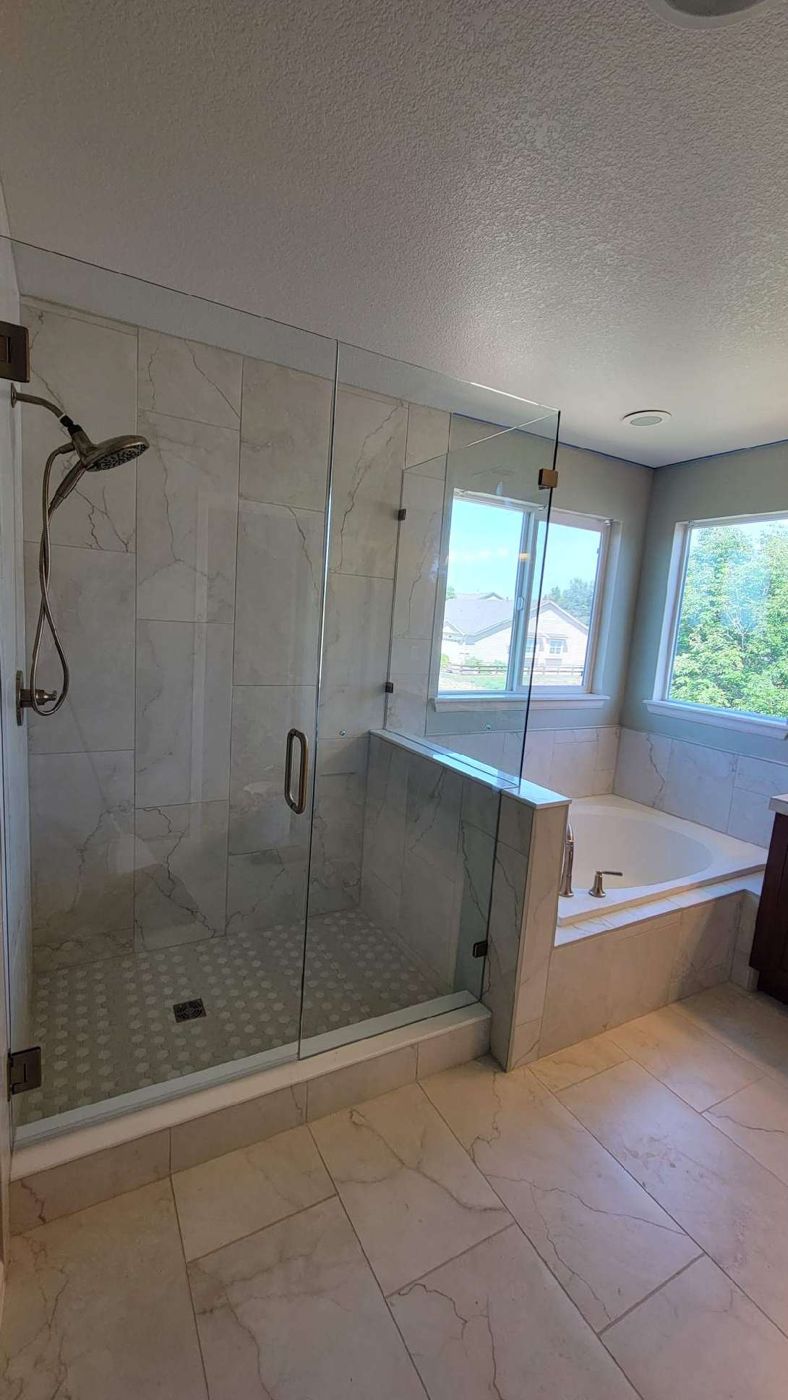
What drives your total investment: labor, materials, and design scope
Most homeowners begin their planning with a single number in mind, but that figure rarely accounts for the full picture. The typical bathroom renovation involves three primary cost categories: labor, materials, and design complexity. Labor typically represents 40 to 50 percent of your total budget, with skilled trades commanding different rates. Plumbers and electricians charge premium rates because their work involves critical systems that must meet code. In the Loveland area, we see labor costs fluctuate with seasonal demand. Spring and early summer bring a surge in remodeling projects as homeowners prepare for warmer months, which can push scheduling out several weeks and sometimes increase hourly rates.
Materials form the second major expense, and this is where choices create the widest cost variation. A standard bathtub might cost $400, while a freestanding soaking tub with high-end finishes can reach $3,000 or more. Tile selection alone can shift your budget by thousands. The porcelain and ceramic tile popular in Northern Colorado homes handles our freeze-thaw cycles well, but premium options like natural stone require additional sealing and maintenance in our climate. Vanities, countertops, lighting fixtures, mirrors, and hardware all add up quickly. Many homeowners underestimate the cumulative cost of these individual selections.
Design complexity multiplies both labor and material costs. A simple refresh with new fixtures and paint requires minimal structural work. A full reconfiguration that relocates plumbing lines, removes walls, or expands the footprint involves framing, additional electrical runs, and more extensive finish work. In older Loveland homes built in the 1970s and 1980s, we often encounter galvanized pipes that should be replaced during any significant plumbing work. This isn’t just an upsell; it’s a practical decision that prevents future failures. The age and construction style of your home directly impact the scope and cost of the work.
Overlooked line items that inflate your final bill
The gap between initial estimates and final invoices often comes from expenses that homeowners simply don’t think to budget for. Permit fees vary by municipality, but in Loveland and surrounding areas, you should expect to pay several hundred dollars for permits covering plumbing, electrical, and structural changes. These aren’t optional. Unpermitted work can create serious problems when you sell your home, and insurance claims related to unpermitted work may be denied. Inspections follow permits, and while they protect you by ensuring code compliance, they also add time and occasionally require corrective work if something doesn’t pass on the first review.
Demolition and disposal costs catch many people off guard. Removing old fixtures, tile, drywall, and flooring generates significant debris. Disposal fees for a full bathroom gut can run $500 to $800, depending on the size of the space and the materials being removed. If your home was built before 1980, asbestos testing may be necessary before disturbing certain materials. Lead paint is another concern in older homes. These aren’t scare tactics; they’re realities that add both time and cost to a project.
Structural surprises emerge once walls and floors are opened. Water damage behind tile or around the tub and shower area is common, especially in homes where the original waterproofing was inadequate. Floor joists may need reinforcement to support a heavier tub or tile installation. In Northern Colorado, we also see settling and minor foundation movement that can affect floor levelness. Correcting these issues isn’t optional if you want a lasting result. Subfloor replacement, joist sistering, or mold remediation can add $1,000 to $3,000 or more to your budget. A contingency of 15 to 20 percent is not overly cautious; it’s realistic planning based on what we regularly encounter in existing homes.
Northern Colorado market realities: costs and timing
Bathroom remodeling costs in the Loveland market reflect both regional labor rates and material availability. Skilled tradespeople here are in steady demand, and the balance between residential growth and available contractors keeps rates competitive but firm. A midrange bathroom remodel in this area typically runs between $15,000 and $30,000, while high-end projects with custom tile work, premium fixtures, and expanded layouts can exceed $50,000. These figures aren’t arbitrary; they reflect real labor hours, material costs, and the complexity of work required to meet current building codes.
Seasonal timing plays a larger role than many homeowners realize. Late fall and winter often bring slightly more flexible scheduling and occasionally better rates, as outdoor construction slows and contractors look to fill their calendars. Spring, as mentioned, is peak season. If your timeline is flexible, planning your project for late October through February can offer advantages in both cost and contractor availability. Weather doesn’t impact interior remodeling the way it affects outdoor work, so there’s no functional disadvantage to winter scheduling.
Material lead times have stabilized compared to the disruptions seen a few years ago, but custom or specialty items still require advance ordering. If you’ve selected a particular vanity, unique tile, or custom glass enclosure, expect four to eight weeks for delivery. This doesn’t extend the construction timeline if orders are placed early, but it does require foresight. Delays in material arrival are one of the most common reasons projects stretch beyond their planned completion dates. Working with a construction company that manages procurement and scheduling as part of their process eliminates much of this uncertainty.
When the layout changes
Moving walls, relocating plumbing, or adjusting electrical systems can escalate your project budget significantly. When your design requires changes to the existing footprint, whether expanding into an adjacent closet or shifting the toilet location, expect structural work that goes beyond cosmetic updates.
Load-bearing wall removal demands engineering assessments and temporary support installation. Plumbing relocations require rerouting supply lines and drain pipes through floors and walls, often uncovering additional issues once demolition begins. These modifications frequently trigger permit requirements and multiple inspection visits, each adding time and cost to your timeline.
Older homes in Loveland and surrounding areas may present unexpected challenges during structural work. Outdated wiring, asbestos-wrapped pipes, or non-standard framing can require specialized remediation before your remodel proceeds. Planning for contingency expenses, typically 15-20% of your total budget, helps absorb these discoveries without derailing your project.
Working with experienced remodeling contractors who understand local building codes and common regional construction methods can help identify potential structural complications during the planning phase, allowing you to make informed decisions before demolition begins.
Questions to ask before you sign
Before signing a contract, ask specific questions that reveal how a contractor handles the elements most likely to cause cost overruns. How do they handle change orders? What does their standard contract include, and what is considered an add-on? How do they communicate when unexpected conditions are discovered? A detailed, written estimate that breaks costs into line items by trade, material, and task gives you far more clarity than a single lump-sum figure. It also makes it easier to adjust scope if you need to bring the budget down. Transparent pricing from the start reduces friction and surprises later.
Ask about the timeline and how it accounts for inspections, material delivery, and potential delays. A bathroom remodel typically takes two to four weeks of active work, depending on scope. If a contractor promises a complex remodel in one week, be skeptical. Rushing through critical steps like waterproofing or proper substrate preparation leads to callbacks and failures. On the other hand, a timeline that stretches without explanation suggests poor project management. Clarify how much of their crew’s time will be dedicated to your project each day, and whether they’ll be juggling multiple jobs simultaneously.
Verify insurance and inquire about warranties on both labor and materials. Quality contractors stand behind their work. A one-year warranty on labor is standard, though some offer longer terms. Manufacturers provide warranties on fixtures and materials, but installation defects fall to the contractor. Understanding who is responsible for what, and for how long, matters when a faucet leaks or tile cracks six months after completion. These conversations also give you insight into the contractor’s communication style and willingness to address concerns. If they’re evasive or dismissive during the planning phase, expect more of the same during construction.
Finally, discuss how they protect the rest of your home during the work. Dust containment, floor protection, daily cleanup, and secure work areas are marks of a bathroom remodeler who respects your space. Remodeling is disruptive, but it doesn’t have to be chaotic. Contractors who take these details seriously typically apply the same care to the quality of their work. If you’re ready to understand your bathroom project’s true cost and work with a team that delivers clear answers and quality results, contact us for a no-obligation conversation about your vision and budget.